
When you apply for a visa, you must submit proof of financial means to the embassy. This document will help them show your financial health. Moreover, it tells the immigration officer that you are financially stable to bear the expenses of your trip to the Schengen country.
Therefore, the following article will help you identify the minimum balance you must have for various types of visas. So, study this blog till the end.
Proof of Financial Means
Providing proof of financial resources is an important requirement when applying for a visa. This document will help the embassy show you can bear the daily expenses during your stay in the target country.
Moreover, it also shows that you are capable of supporting yourself financially. As a result, you will not put a burden on the target country’s resources.
Which documents can be submitted?
You must submit certain documents to the embassy to prove your financial health. For this purpose, you can bring the following documents:
- Bank statement
- Investment records
- Employment contracts
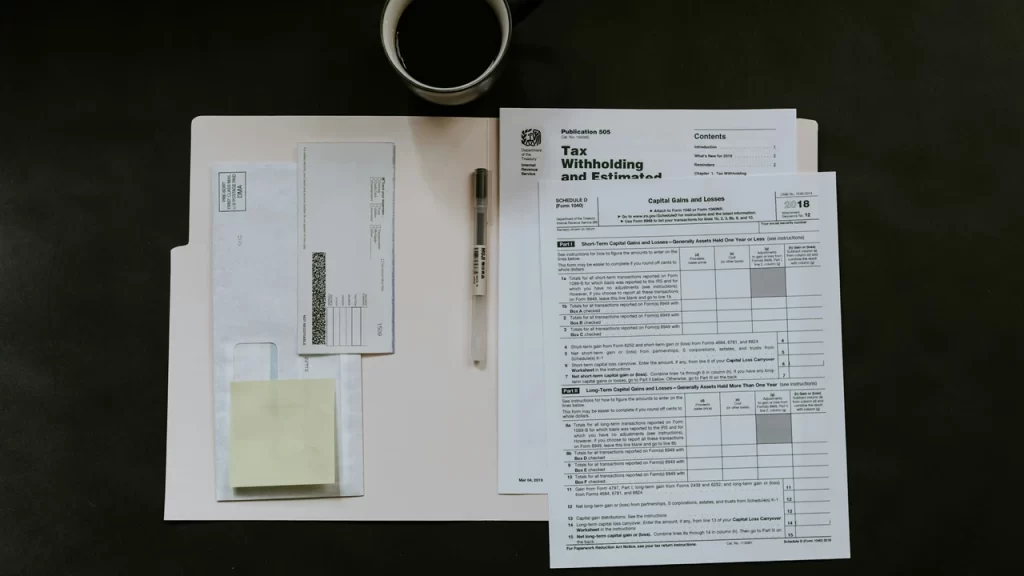
- Income tax returns
In addition, these documents will help show the officers that you have enough balance to manage your basic needs. For instance, this may include expenses related to food, transportation, accommodation, healthcare, etc.
Additional paperwork
You can disclose your detailed financial plan with the authorized officer to show your intentions of covering the expenses during your stay. For example, your financial plan must outline the following sources of funds.
- Sponsorships
- Personal saving
- Scholarships
This will emphasize the fact that you can manage your finances while visiting the destination country.
Financial requirements
Please note that the financial requirements you must fulfill may depend on various factors. For instance, this may include the visa type and the target country’s rules. Some countries request the applicant to fulfill the minimum financial threshold, as it is the eligibility criteria to get the specific visa.
This will help the applicant to maintain a simple living standard without looking for external assistance.
Also, make sure that the financial documents you submit must match the information provided in the visa application form. In case of any errors, this may raise questions about the applicant’s character. Moreover, the embassy may reject your application for a visa.
So, to bring a favorable outcome in the visa application process, make sure to follow the guidelines the embassy provides you.
Proof of Financial Means for a Student Visa
When you apply for a student visa, the embassy may request you to submit proof of financial means. This will showcase that you have enough financial aid as a student to manage your expenses during your stay abroad.
Moreover, this document will also ensure that you will not face any financial hardships in the target country. For this purpose, you can submit various documents.
For example, this may include having a bank statement, scholarship, sponsorship letter, or investment documents. As a result, this will help you manage your tuition fees, living costs, and accommodation expenses during the academic journey.
You can also disclose your financial plan to the visa authorities. So, you can share your sources of funds such as family support or educational loans with the authorized person.
Moreover, as a student, you must make sure that the information in the visa application and the documents you submit are consistent to support your financial means. Inconsistencies could cast doubt on your financial status and result in the application for a visa being denied.
Proof of Financial Means for a Tourist Visa
A tourist visa for a Schengen country will require you to provide proof of financial means as an important application requirement. This document will show that you have sufficient funds to cover your travel expenses as a tourist.
Furthermore, you may be required to have handsome money in hand to cover various costs. For instance, this may include meals, accommodation, and other travel-related expenses.
In addition, you can submit your bank statement that shows a consistent balance. Besides, you will also need to provide some additional documents. This may include travel insurance with a minimum coverage of 30,000 euros.
The embassy will also require you to reserve a flight on the plane. This will help the embassy know that you have an intended plan to fly out of your home country. You can also share the planned set of activities and the relative costs. All these documents will assure the embassy about your financial health.
Proof of Financial Means for a Business Visa
You must show the embassy that you can manage your business trip to a Schengen country. This is an important requirement when you apply for a business visa. This will help the embassy know that you can cover costs including meetings and other business-related affairs.
For this purpose, you can submit financial statements of your business. As a result, you must display enough bank balance to satisfy the basic requirements.
Furthermore, you can also share your business plan with the visa authorities to show your true travel intentions. Therefore, you can outline the projected business activities and financial goals. You can also disclose your funds sources such as income coming from business partnerships.
Please note that the embassy requests you to meet the given guidelines. However, it depends on the duration of your stay in the target country. They also want to ensure that you can fund your stay without relying on any public or additional resources.
Proof of Funds for a Schengen Visa
- Austria: 65 euros per day.
- Belgium: 95 euros per day.
- Czech Republic: 48 euros per day.
- Denmark: DKK 350 per day.
- Estonia: 50 euros per day.
- Finland: €30 per day or €300 per month.
- France: 120 euros per day.
- Germany: 45 euros per day.
- Greece: 50 euros per day.
- Hungary: 38 euros per day.
- Iceland: ISK 4,000 per day.
- Italy: 269.60 euros per day.
- Latvia: 14.23 euros per day.
- Lithuania: 40 euros per day.
- Luxembourg: 74 euros per day.
- Malta: 48.67 euros per day.
- Netherlands: 55 euros per day.
- Norway: NOK 500 per day.
- Poland: 22 euros per day.
- Portugal: 75 euros per day.
- Slovakia: 48.50 euros per day.
- Slovenia: 70 euros per day.
- Spain: 91.27 euros per day.
- Sweden: SEK 450 per day.
- Switzerland: 100 CHF per day.
Remember to keep in mind that the amount listed above is only for general guidance. The figures you require to spend a day in the Schengen countries may vary and depend on your situation and travel purpose. Therefore, it is always advisable to go through the bank balance required.
Besides, you can also visit the embassy or consulate of the specific Schengen country to check the requirements and the latest information.