
In modern times, technology plays a major role in shaping the lives of human beings. Traveling has been made easier with the integration of technology and the latest means of transportation. Therefore, the same method was implemented to improve and strengthen the internal and external borders of the world.
Over the recent years, the European Union has been constantly developing large-scale IT systems to collect, process, and share information related to external border management. One of these key tools is the Visa Information System, which supports and ensures the execution of the common EU visa policies in Europe and the Schengen Area.
Thus, the article below discusses the basic details of the Visa Information System (VIS), such as what it is, how it works, the common visa types granted under this framework, the requirements that should be met, etc. Moreover, it will shed light on the VIS benefits and challenges that visa applicants face.
What is the Visa Information System?
The Visa Information System (VIS) is a European Union database that contains biometric details of the visa applicants of third-world countries requiring a visa to enter and stay within the Schengen Area.
Originally, the system was established in June 2004 by the Council Decision 2004/512/EC. Moreover, it was started on 11 October 2011 with North African countries and rolled out regionally.
Furthermore, it is also a cornerstone of the EU’s border management and security framework.
Important: The Visa Information System is an instrument of the Schengen Area. Thus, it applies to all the Schengen States.
What’s in the bag?
Schengen visa applicants need to visit the nearest consulate of the target country to provide their biometric information (10 fingerprints and a photo). This data will then be entered into the system and will remain valid for almost five years.
The information is stored in a database located in Strasbourg, which has a backup site in Austria. As a result, the authorities at the border crossing points are allowed to check whether the person holding the biometric visa is identical to the person who applied for it.
How much of the data is stored in the Visa Information System?
After its entry, the VIS was introduced over time to all the national consulates, region by region. The process was completed on November 20th, 2015, when all Schengen and Schengen-related states completed the rollout. Therefore, on February 29, 2016, all official border crossing points of the EU closed the VIS rollout.
On average and at full capacity, the VIS is expected to have almost 70 million visa applications and biometric records.
How Does the VIS Work?
The EU Agency manages the large-scale IT systems (eu-LISA). Thus, the VIS connects consulates, law enforcement agencies, and border checkpoints of 29 Schengen countries. This will result in a streamlined visa application process with enhanced security.
The following are the three primary objectives of the Visa Information System.
- Preventing visa fraud and visa shopping
- Supporting asylum procedures
- Facilitating legitimate travel
Data collection and storage
A visa application requires you to submit 10 fingerprints and a digital facial image. These biometric details, along with your personal data, including name, nationality, and travel purpose, are stored in a database in Strasbourg, France, with a backup in Austria.
Exceptions to the submission of biometric information apply in the following cases.
- Children under the age of 12
- Applicants who are physically unable to provide fingerprints
- Senior members or sovereigns of a royal family
- Head of State and members of the Government, along with their official spouses and delegation, if traveling for official reasons.
Who has access to the VIS data?
The following are the main bodies or parties that have access to the data of the Visa Information System.
- Consulates
- Police authorities from Schengen member states
- Europol
Suppose the data has to be transferred to international organizations or third countries. This will only happen with the consent of the member state and in exceptional cases or urgent situations.
Verification process
At the Schengen borders, the authorities use the Biometric Matching System (BMS) to perform two types of searches.
- Verification (2 seconds)
This phase of verification checks the fingerprints scanned at the border crossing point against the biometric record that is attached to the visa. The whole process may take almost 2 seconds.
- Identification (10 minutes)
On the other hand, the identification phase compares the fingerprints and scans the entire database for matches to detect overstays or fraudulent documents. It will take hardly 10 minutes.
In case of mismatches, the authorities may opt for further checking, but do not automatically deny entry to the Schengen Area.
Visa Types and Requirements Under the Visa Information System
Traveling to the Schengen Area requires you to apply for a specific visa type, based on the purpose of your trip. The VIS will store your biometric data (fingerprints and photos) during the visa application process. However, there is an exception to this rule. For this purpose, go through the following section.
Visa types
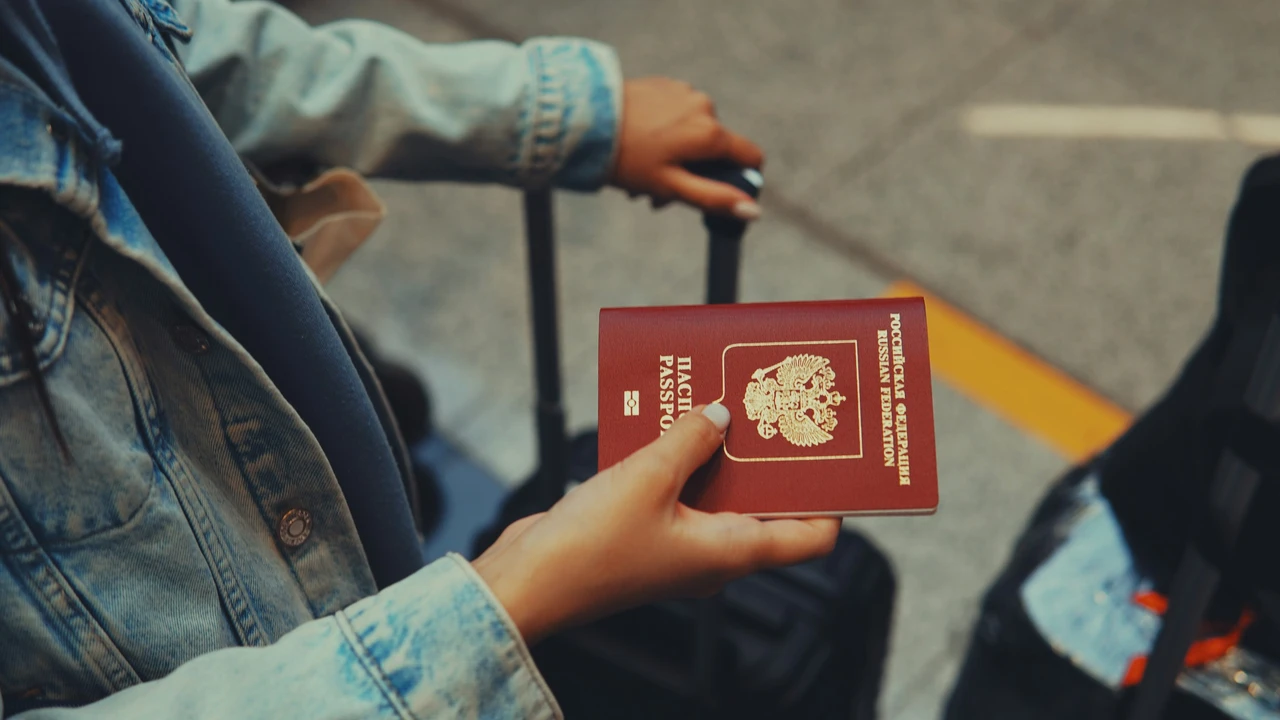
There are two major visa categories that you can opt for when traveling to the Schengen Area: short-stay and long-stay visas.
However, the VIS currently handles short-stay visas only, which allows you to stay in the target destination for up to 90 days within six months. You can use a Schengen or Type C visa for the following purposes.
- Tourist visa
- Medical treatment visa
- Business visa
- Cultural/sports event visa
- Visit visa
Contrary to this, the Visa Information System does not process long-stay or Type D visas. Therefore, the individual Schengen states’ policies handle and govern the National visa.
Nonetheless, a Type D visa grants you access to the host country for a longer duration. The stay limit depends on the trip’s purpose and the chosen visa type. Besides, you can use it for subcategories, including a work visa, a family reunion visa, a student visa, etc.
Visa requirements
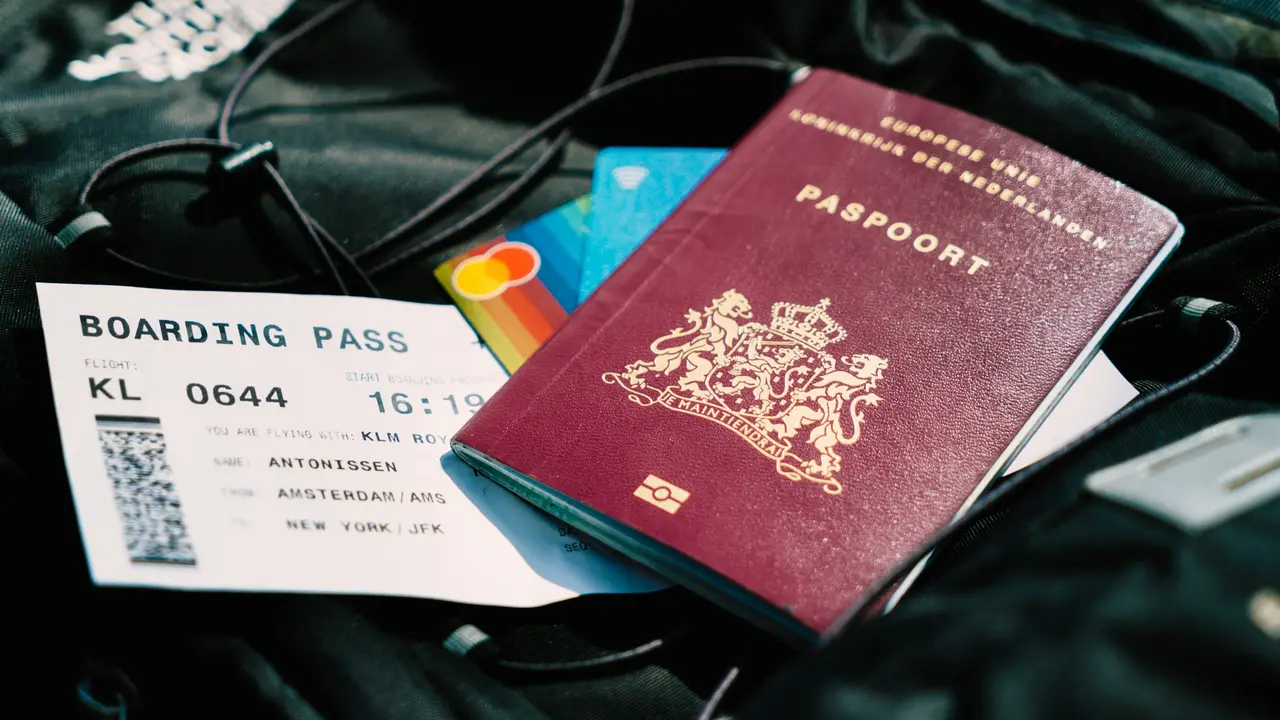
Regardless of the visa type, the applicant has to submit the following general documents to prove their eligibility to travel to the target country.
- Your official passport with a validity of at least three months ahead of your return, two blank pages for visa stamping, and a bio page.
- Moreover, you also need to complete a visa application form that you can get from the embassy or consulate of the destination country. Also, make sure that you fill it out in the official language of the country or English.
- Other than that, you also need to submit two passport-size pictures, which should be recent, with a 35&45 mm size on a white background. In addition, the photographs should be according to the Schengen photo guidelines.
- Another important visa requirement is proof of a flight reservation that you can get from RFV Travels easily. This document helps the visa officer analyze your travel intentions with the help of the flight details, including the flight number, the aircraft name, travel dates, times, IATA codes, 6-digit PNR, etc.

- Furthermore, do not forget to provide proof of accommodation to demonstrate that you have made prepaid arrangements for your stay in the host country. This can be done by submitting a hotel booking, an invitation letter, or a rental contract.

- In addition, you can also submit a cover letter to explain the purpose of your journey from a personal point of view. You can get this document from coverletterforvisa.com easily.

- Besides, your trip to the Schengen Area would be incomplete if you did not have travel health insurance. It is mandatory to bear unexpected medical and travel emergencies. Thus, the insurance should have a coverage amount of 30,000 to 45,000 euros.
- Lastly, you also have to submit proof of financial resources to represent your financial health. You can do this with the help of a bank statement, a salary slip, or income tax returns.
Application Process When Applying for a Visa: Step-by-Step Guide
The following general application process will help you apply for a visa when traveling to the Schengen Area.
Step 1: Choose the right consulate
The first step requires you to choose the right embassy or consulate to apply for a visa. This can be done in consideration of your primary destination country or state where you will stay the longest.
Step 2: Submit documents
Then, after scheduling an appointment, you need to provide biometric (if not done previously) and required documents. Make sure that you appear in person if applying for a visa for the first time.
Step 3: Pay fees

In case of a Schengen visa, you need to deposit a non-refundable 90 euros for adults and 45 euros for children between the ages of six and twelve.
Step 4: Wait for the processing time
After completing the above steps, you need to wait for the answer. The standard processing time is 15 working days, which may be extended to 30 or 60 days in complex cases.
Step 5: Collect your visa
Lastly, approved visas are stamped on passports. Moreover, the data will also be uploaded to the VIS for border verification.
Recent Updates in VIS and Integration with ETIAS
The following are the recent changes made in VIS and the future integration with ETIAS.
Key developments
- By November 2015, all Schengen states began to use the Visa Information System.
- Moreover, the ETIAS (European Travel Information and Authorization System) will adjunct the VIS by providing an additional screening visa for travelers. This data sharing between VIS and ETIAS will identify security risks.
Post-pandemic adjustments
- Following the pandemic era, some Schengen countries now accept online applications. However, the biometric collection in person is still mandatory.
- Though not directly tied to the VIS, health protocols, such as COVID-19 vaccination proof or testing, are still required.
Impact of VIS on Travelers: Benefits and Challenges
The Visa Information System has impacted travelers in the following positive and negative ways.
Benefits
- The reuse of the biometric data reduces the application time in case you are a frequent traveler.
- Streamlined border checks and automated verification will speed up the entry process.
- The VIS has greatly reduced visa shopping and identity theft.
Challenges
- Although not permissible, the centralized biometric data storage may raise data protection queries.
- In case of technical glitches or system outages, delays in visa processing or border checks may happen.
Data Protection and Compliance with the Visa Information System
The centralized data storage could lead to information protection questions. However, the Visa Information System follows the EU data protection laws (GDPR). The following are some of the safeguard options.
- The national supervisory authorities monitor data processing in each Schengen member state.
- The EDPS (European Data Protection Supervisor) oversees compliance at the EU level.
The Future of the Visa Information System
The Visa Information System demonstrates the commitment of the EU to balance open borders with powerful security. In 2026, the VIS is going to be integrated with ETIAS, which will lead to enhanced pre-travel screening. Thus, it will create a multi-layered defense mechanism against threats while keeping the travel experience simple.
With the growing mobility, systems such as VIS will strive to shape the future of efficient and secure international travel.
Frequently Asked Questions

- How does the visa information system work?
The VIS is an IT system that enables the data exchange on short-stay visas between the Schengen member states. The purpose of this system is to strengthen the visa applications, simplify border checks, and increase scrutiny.
- When should data be recorded in the visa information system?
The data in the Visa Information System is usually recorded during the processing of the visa application and the making of a decision. Furthermore, this includes the issuance of a visa, the visa denial, or whether a visa is extendable or modifiable.
The validity of the biometric data is five years from the expiry date of the visa or the date of a negative decision.
- Can I travel with a visa in an expired passport?
Yes, you can travel with a visa in an expired passport as long as the visa is valid and undamaged. Moreover, you need to carry both the expired and valid passports as the border officials will verify the details via VIS.
- What will happen if my fingerprints do not match at the Schengen border?
In case your fingerprints do not match at the Schengen border, the authorities may request additional checks, such as submitting supplementary documents. Please note that a mismatch in the fingerprints does not lead to entry denial.
- How is my data protected in the VIS?
Ensure that the data stored in the Visa Information System during the visa application processing is accessible to restricted authorities only. This includes the consulates, border officers, and law enforcement.
Moreover, the data is kept for five years, after which it is deleted. Lastly, as a traveler, you can request for correction or deletion of inaccurate data.
- Does the Visa Information System apply to children?
Children under 12 are exempt from providing fingerprints. But, they need to submit a photograph to be stored in the VIS.
Read Also: Latvia Visa from Mumbai